Why I Started This
Strategy without imagination is control. Imagination without structure is chaos. The work begins where the two meet.
Essays on Strategy, Creativity and Management | Edition 00
Introduction
Why write about boardrooms for people who build with imagination?
Because I have spent much of my life moving between environments that are often treated as opposites, while repeatedly seeing how dependent they are on one another. Creative businesses need enough structure to turn good work into an enduring enterprise, while established organisations need enough judgement and originality to avoid becoming highly efficient at producing work that nobody remembers.
The space between those realities is where this series begins.
1. Between Two Rooms
I was born in Amsterdam, in an environment where music, style and expression were ordinary parts of life rather than categories of an industry. Some of my earliest lessons in creativity came through music and later through Amsterdam fashion and retail, where I began to understand that customers often experience the value of a business long before they understand its economics.
My professional career introduced me to a different language. Finance taught me to ask for evidence; audit taught me to distinguish between what appeared to work and what could be relied upon; transactions showed me how value changes when ownership, timing and control change; and transformation work taught me that even a sound strategy becomes fragile when an organisation is unclear about who decides, what changes and what must remain intact.
I was fortunate to learn in and alongside environments including Suitsupply, Deloitte, EY and PwC, and later through transactions, integrations, carve-outs and transformation programmes across Europe and the Gulf. Over time, the supposed divide between creativity and management became increasingly difficult to defend.
The creative world taught me that value often begins with taste, conviction and the courage to create something for which no spreadsheet yet exists. The boardroom taught me that this value survives only when someone designs the structures capable of carrying it.
2. The Gap I Kept Seeing
Over the years, students, founders and entrepreneurs approached me with questions that appeared different but often pointed to the same underlying issue. How do I make this business more credible? When should I hire? Is growth actually creating value? How much structure is enough before structure itself starts interfering with the work?
I saw the same tension professionally. Some organisations produced exceptional work while operating with fragile economics, founders remained responsible for almost every material decision long after the business had outgrown that model, and teams possessed plenty of information without a coherent management view from which to act. Others had considerable capital, expertise and process but struggled to preserve judgement, speed or originality once decisions had to travel through the machinery of scale.
Neither problem was caused by a lack of intelligence. What was often missing was the ability to translate between creative judgement and management structure.
Imagination without structure becomes fragile, while structure without imagination becomes sterile. Sustainable value requires an organisation to understand where each belongs.
3. What Changed in My Own Thinking
Earlier in my career, I viewed the distinction more simply. Numbers belonged to the rational side of the organisation, while creativity belonged to the intuitive side. Experience gradually made that separation less useful.
The strongest organisations I have worked with combine both disciplines. They know where evidence is necessary and where judgement remains unavoidable; they understand which processes should become repeatable and which decisions should remain close to people with the necessary taste, context and accountability; and they recognise that a financial model can discipline a decision without pretending to make the decision itself.
That changed how I think about management. Good management is not the removal of discretion. It is the deliberate design of where discretion belongs, what the organisation should make predictable and where variation continues to create value.
It also changed how I think about strategy. Strategy is not simply the articulation of a direction. It is the design of the economic, organisational and decision-making conditions that allow an organisation to execute that direction without destroying the qualities that made it worth building.
Boardroom Reframe
The usual view: Creative freedom and management discipline are treated as opposing forces, with more structure assumed to mean less room for judgement.
The management view: The real design problem is not whether structure is desirable, but where it should absorb complexity and where judgement should remain free. Good management distinguishes between variation that creates value and ambiguity that merely creates cost.
The boardroom question: What should the organisation make predictable so that its people have greater freedom to exercise judgement where judgement genuinely matters?
Freedom is not the absence of structure. It is what good structure makes possible.
4. Why Boardroom
That is the question Boardroom of Creative Leadership is intended to explore. It is not a series about creativity viewed solely through branding, finance viewed solely through spreadsheets, or management as an exercise in making distinctive businesses look more corporate.
The essays begin with recognisable situations: a transaction, an ownership question, pressure on margin, a meeting rhythm that no longer works, a founder becoming a bottleneck, or a seemingly small observation that reveals something larger about how an organisation operates.
The purpose is then to move beneath the visible issue. What is actually happening inside the business? Which management mechanism is shaping the outcome? Most importantly, which decision changes once that mechanism is understood differently?
5. What to Expect
Some editions will begin with places and organisations through which I have been fortunate enough to learn: a fitting room at Suitsupply, a conversation in the passenger seat on the way to a client, a hotel on the Amstel before Amsterdam had properly woken up, or an integration in which two organisations agreed on the strategic objective but differed in their understanding of when a decision was actually final.
Others will start with businesses, founders, artists or institutions whose choices reveal something useful about ownership, authority, margin, capital, identity or execution. The personal experience is not there for biography; it explains where the question came from. The external example is there to understand what happens inside the business next.
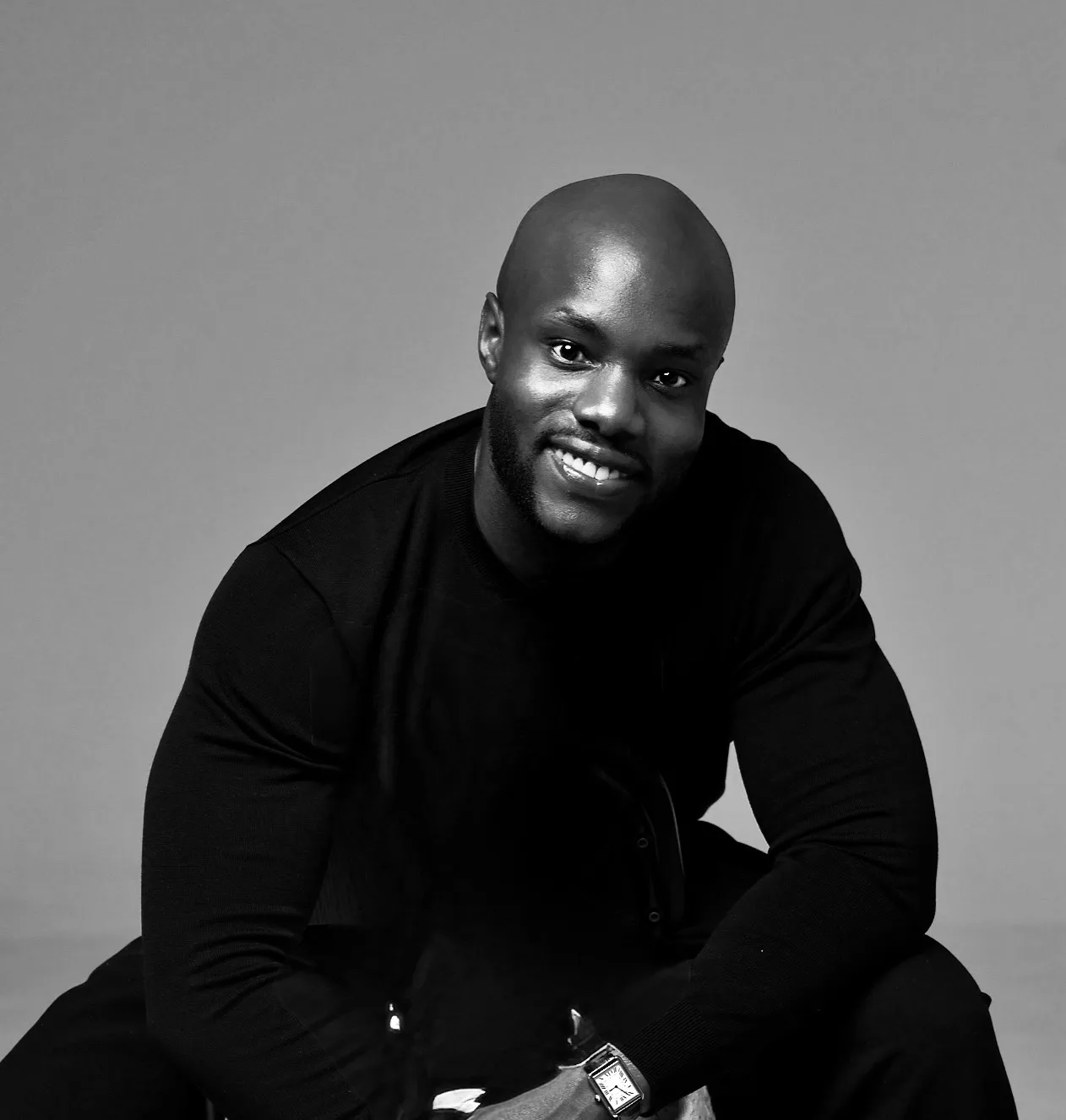
That is also where MUNDUS CRAS sits. The practice works with businesses and leadership teams during periods of growth, transactions, new investment and changes in ownership, including founder-led and creative businesses. Its work spans strategic finance, transactions and management because those questions rarely remain neatly separated once an organisation becomes more complex.
These essays are not brochures for that work. They are where the thinking behind it is examined and tested in public.
Conclusion
Structure is not the opposite of creativity, but neither is structure inherently valuable. A process that protects no value is bureaucracy, while creativity without sufficient economic and organisational discipline can begin spending tomorrow's freedom to finance today's ambition.
The useful management question is therefore not whether an organisation needs more structure, but where structure improves judgement, protects value and makes execution more reliable without standardising what should remain distinctive.
That is the standard I want these essays to meet: clear enough to be useful, rigorous enough to withstand scrutiny and human enough to recognise the organisation behind the numbers.
Summary Takeaway
If you remember one thing from this essay, let it be this : creativity and structure are not opposites. The work of management is to decide what must become predictable so that imagination, capital and judgement remain free where they create the most value.