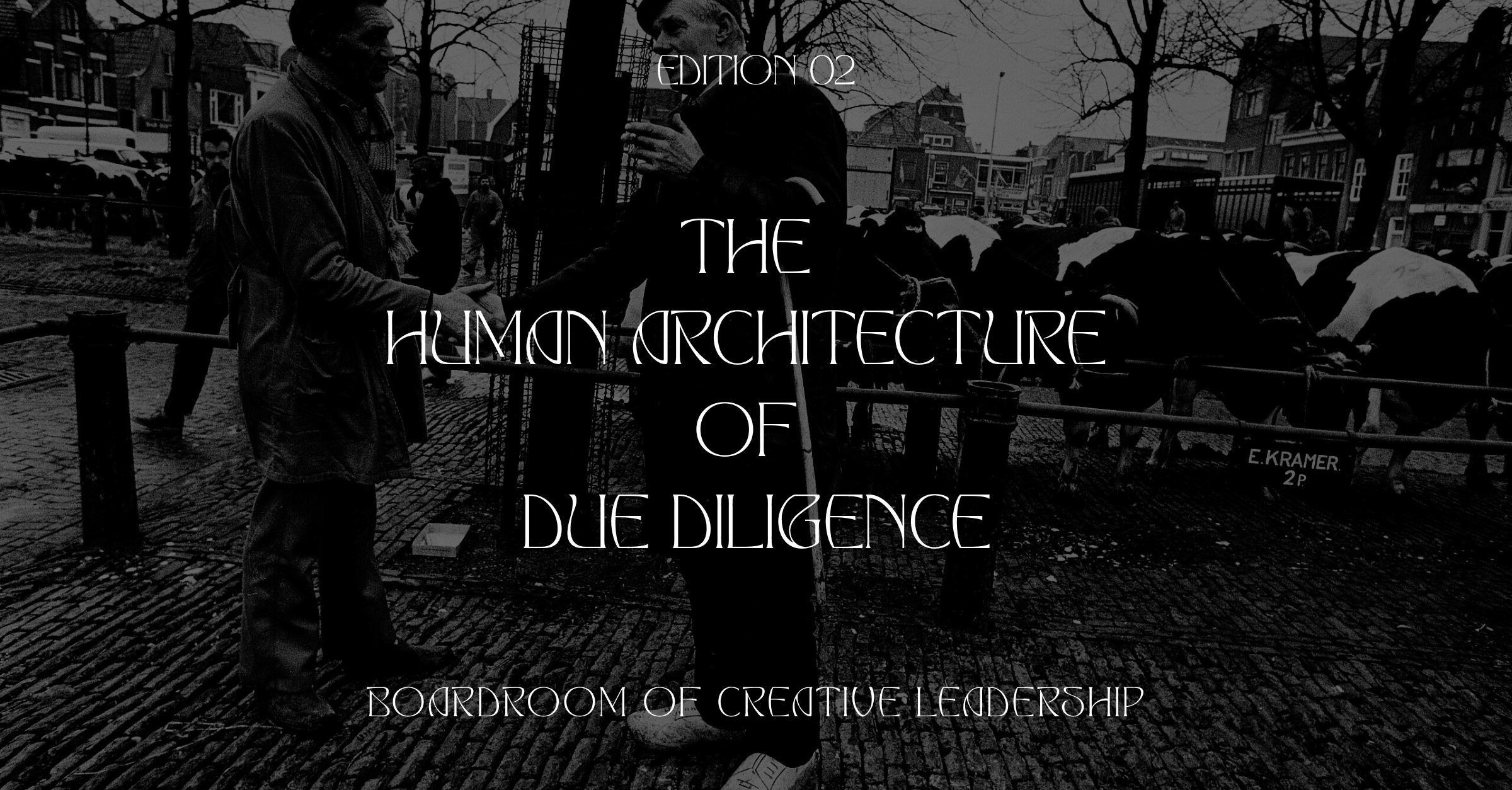
The Human Architecture of Due Diligence
Why culture, reputation and trust shape value long after the deal is signed.
Essays on Strategy, Creativity and Management | Edition 02
Introduction
What allows a well-structured transaction to turn ambition into lasting value?
Modern due diligence can examine financial performance, liabilities, assumptions and downside scenarios with remarkable precision. That discipline is essential because a transaction should not depend on optimism where evidence is available.
The difficulty is that analytical confidence at signing does not automatically create operating coherence after closing. A financial model can explain what a business earns, what it owns and what assumptions support the valuation, but it cannot fully show how authority works in practice, which relationships hold the organisation together, what people fear losing when ownership changes or how quickly two organisations can form a workable decision system.
Those questions are sometimes described as cultural, people or behavioural diligence. The terminology matters less than the underlying management problem.
My thesis is straightforward: due diligence should test not only what is being acquired, but what must continue to work after ownership changes.
1. Diligence Before It Had a Name
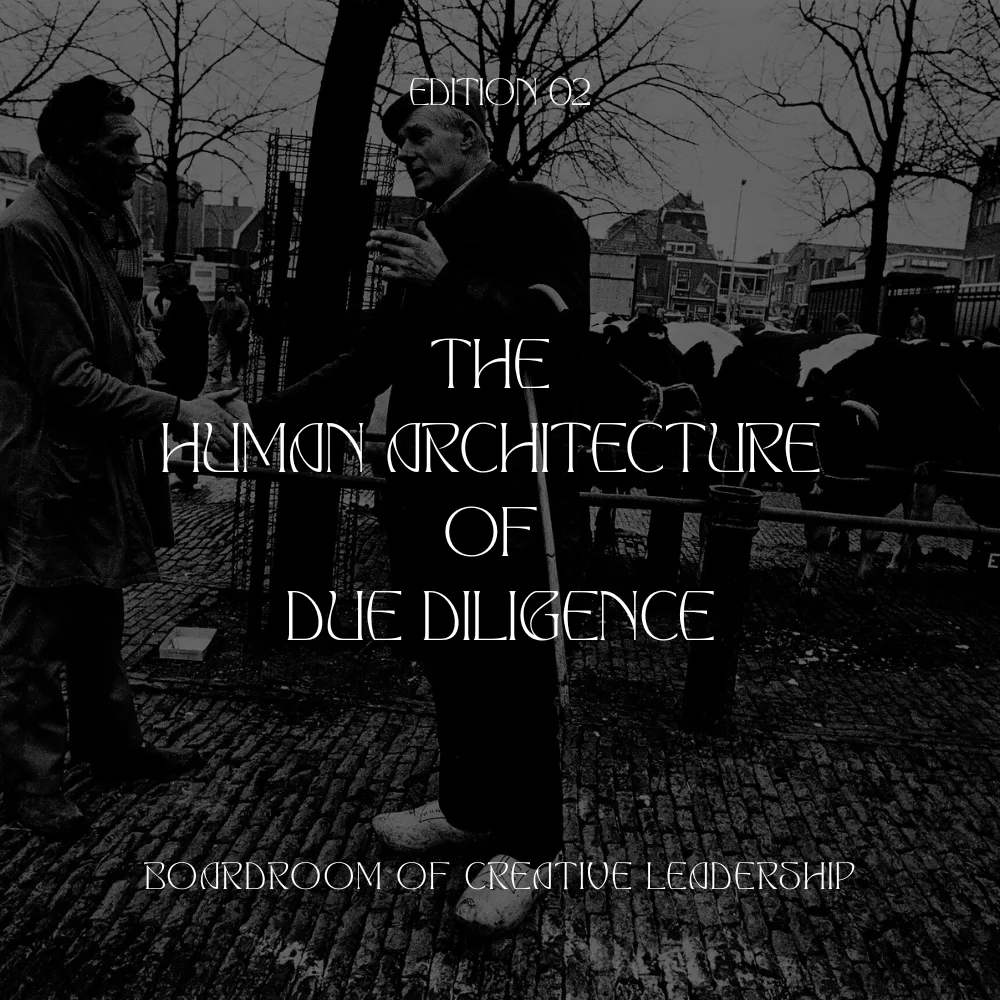
I was born in the Kolenkitbuurt in Amsterdam and grew up in Purmerend, in an environment where the rhythms of the city and the traditions of a market town sat unusually close together. Trade, reputation and continuity were not abstract business concepts. They were visible in ordinary life.
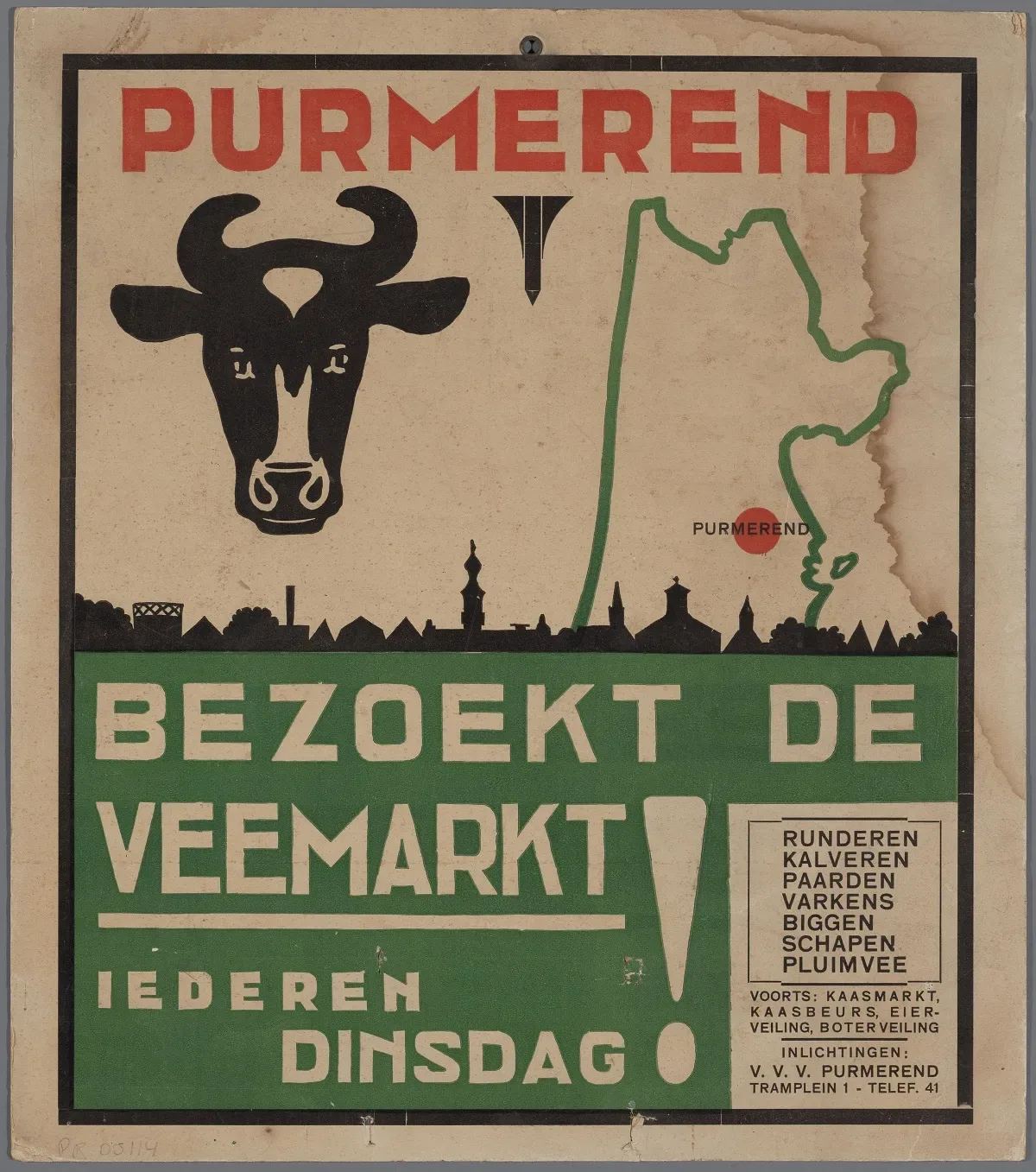
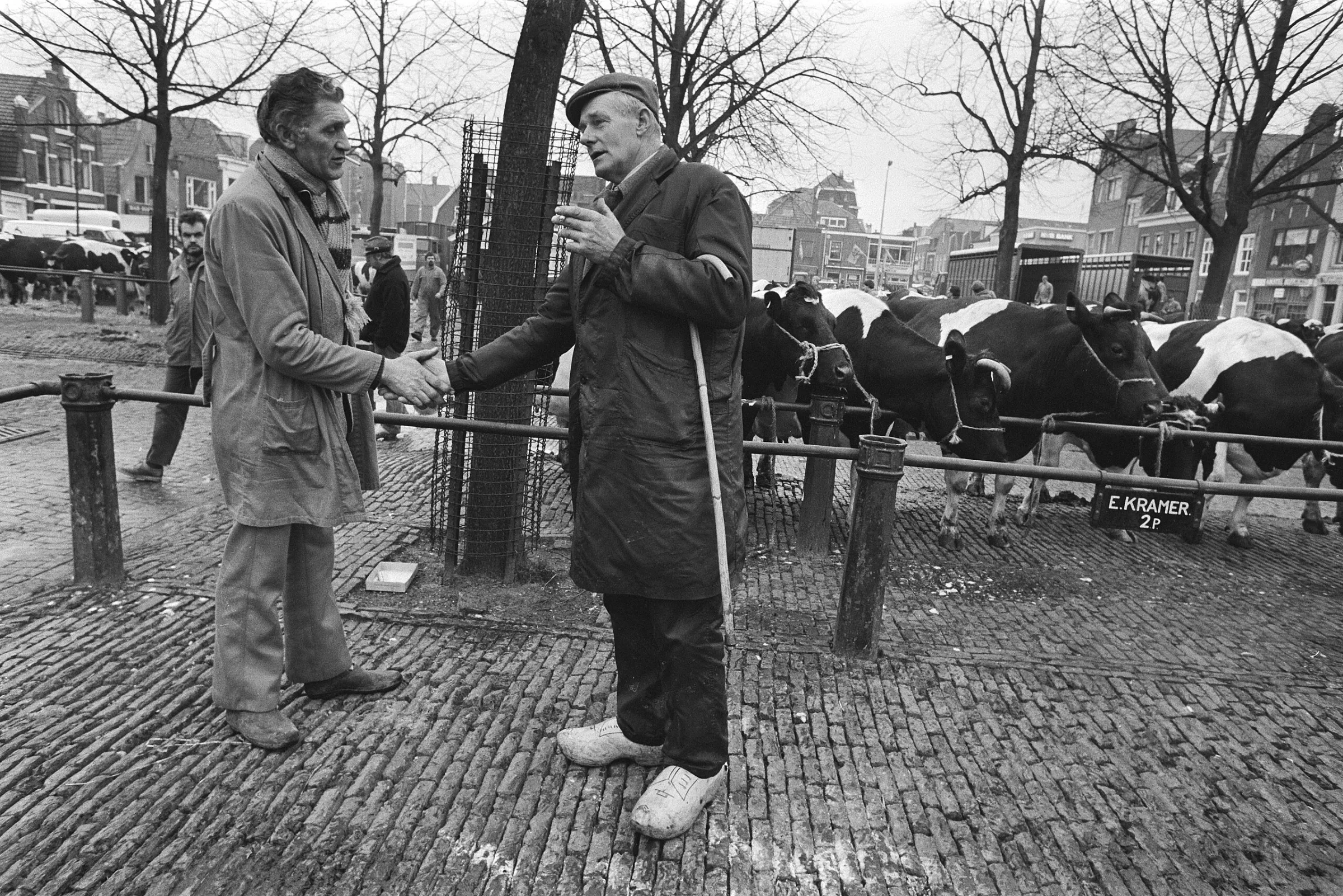
The Koemarkt was one of those places. Farmers and traders came together to do business in a setting where relatively little needed to be explained formally because much had already been established socially. Deals unfolded through posture, timing and instinct, sealed with firm handshakes and a splash of spit. A handshake might conclude the transaction, but the real security sat in what both parties already knew about the person standing opposite them.
That world should not be romanticised. Modern transactions require contracts, documented evidence, regulatory discipline and formal diligence for good reason. What stayed with me was something narrower: trust changes how much friction an exchange requires.
When credibility is already established, fewer things need to be negotiated from first principles. When it is absent, even technically simple exchanges become harder. Long before I worked with data rooms, transaction models or integration plans, I had therefore seen one of the principles that later became much more important in my professional work: value may be expressed financially, but transactions are executed through relationships between people.
2. When Diligence Becomes Reductionist
Transaction diligence exists to reduce uncertainty. Risks are isolated, liabilities quantified, assumptions challenged and scenarios tested. The problem is not that this process is too analytical. The problem begins when the organisation assumes that everything material can be made visible through the same kind of evidence.
The Big Idea: The New M&A Playbook, published by Harvard Business Review, points to the persistent difficulty companies have in converting acquisitions into their intended value. Whether a particular deal succeeds or fails depends on many factors, but the underlying lesson is useful: a sound transaction thesis can still encounter an operating reality that behaves differently from the assumptions made at signing.
Leadership behaviour, decision speed, informal influence and employee confidence become particularly important once ownership has changed. None of these variables is invisible, but they require a different form of diligence because they are observed through patterns of behaviour rather than through a financial schedule.
The question is therefore not whether financial diligence matters. It is what financial diligence, by itself, cannot establish.
3. Cultural Fit as Strategic Intelligence
Culture becomes operational through behaviour. Two organisations can agree completely on the strategic objective and still differ sharply in how they escalate problems, build consensus, document decisions or determine when a discussion has actually ended.
During my Big Four years, I was fortunate to work on a post-merger integration in the Gulf where that distinction became very clear. The two leadership teams broadly agreed on what the combined organisation needed to achieve, but they arrived at decisions differently. One side relied heavily on formal escalation and written documentation. The other placed greater weight on conversation and informal alignment before a matter was considered ready for decision.
Neither approach was inherently better. The friction arose because each side interpreted the other through its own operating assumptions. What one group considered necessary discipline could be read by the other as unnecessary formality; what one considered effective relationship-building could be interpreted by the other as a lack of decision clarity.
Once that difference became explicit, management could begin designing routines around it. Written clarity could support live alignment rather than compete with it, and escalation could be used deliberately instead of becoming the default response whenever the two systems met. Organizational Culture in Mergers: Addressing the Unseen Forces, published by McKinsey & Company, makes the same issue visible at scale: executives consistently identify cultural fit and cohesion as important determinants of integration success.
The management implication is not that two organisations should become culturally identical. It is that they need enough operational coherence to make decisions, allocate authority and resolve disagreement without repeatedly rediscovering their differences.
Boardroom Reframe
The usual view: Culture is treated as the soft part of a transaction and therefore as something that can be addressed after signing.
The management view: Culture is where the deal model meets operating reality. Every valuation contains assumptions about behaviour, authority, retention and trust, even when those assumptions never appear explicitly in the model.
The boardroom question: Which behaviours and relationships does the investment case depend on, and have we tested whether they can survive a change of control?
Every valuation contains a people assumption. Due diligence should test it.
4. Reputation and Trust as Operating Variables
If culture shapes execution internally, reputation affects the willingness of people outside and inside the organisation to continue extending trust.
That matters because reputation does not remain confined to communication. It influences whether employees believe the new leadership, whether customers remain confident, whether key relationships survive the transition and how much evidence stakeholders require before accepting management's promises. Reputation is difficult to isolate precisely in a valuation model, but that does not make it economically irrelevant. It appears indirectly through retention, renewals, employee behaviour, stakeholder confidence and the speed at which counterparties are willing to commit.
Inside the organisation, one of the most useful integration questions I have encountered is also one of the simplest: what are people afraid to lose?
The answer may be autonomy, identity, status, influence, access to a founder or simply a familiar way of working. These concerns rarely appear explicitly in a due diligence request list, yet they can determine behaviour long before they appear in a formal risk register.
Human diligence does not remove those concerns. Its purpose is to surface them early enough that management can decide which should be protected, which need to change and which assumptions in the deal thesis depend on people behaving differently after closing.
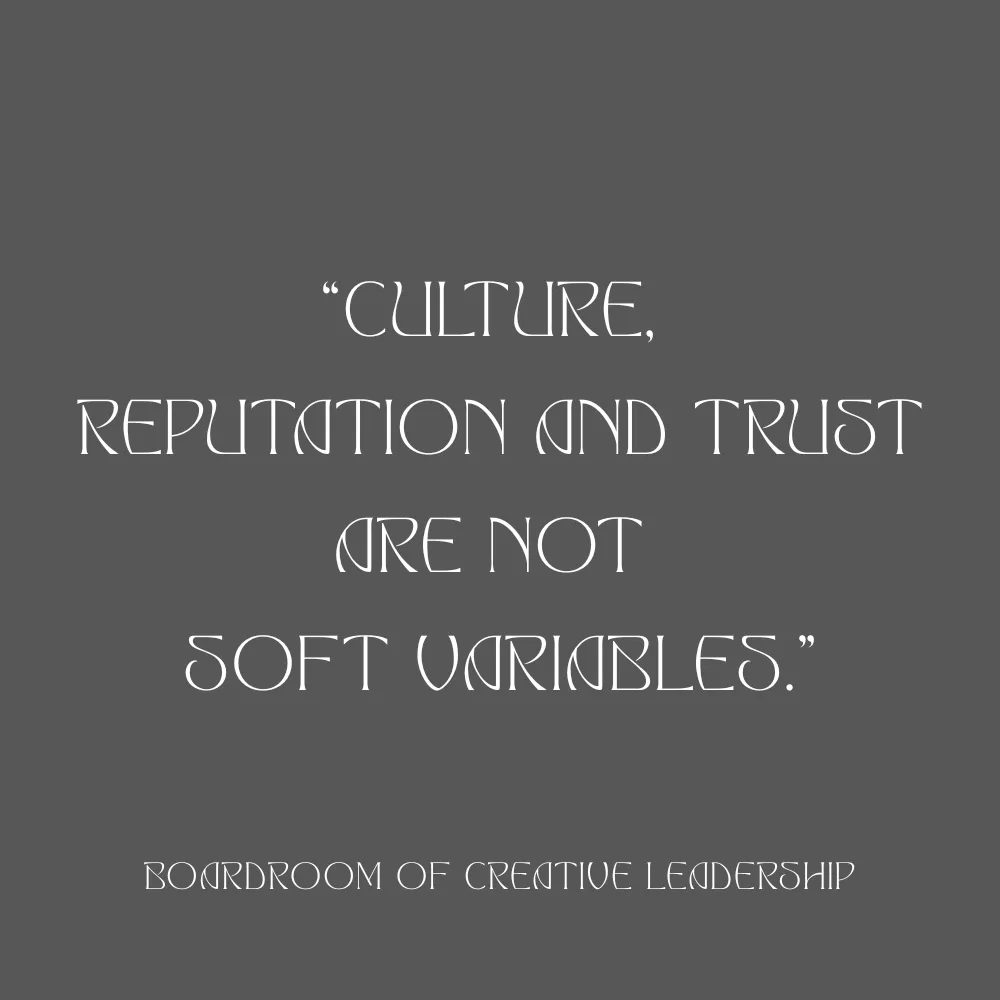
Trust, in that sense, is not a soft outcome. It affects the amount of organisational friction management has to overcome before the transaction can begin producing what the model assumed it would produce.
5. From Deal Value to Operating Reality
This is where transaction diligence and integration should connect more closely than they often do.
A valuation is necessarily a forward-looking argument. Revenue continues, customers stay, management executes, synergies materialise, key people remain and the combined organisation becomes capable of decisions that neither side could make as effectively on its own. Those assumptions may be expressed numerically, but many depend on human behaviour.
That is why diligence should ask more than whether the historical numbers are reliable. Which customer relationships depend disproportionately on individuals? Where does informal authority sit? Which employees or leaders carry knowledge that the formal organisation chart does not reveal? How are disagreements resolved today? Which behaviours does the investment case quietly assume will continue after control changes?
Those questions do not replace financial, legal, tax or commercial diligence. They strengthen the connection between the transaction thesis and the organisation expected to deliver it.

At MUNDUS CRAS, that is where transaction work meets governance and management. The purpose is not to make human diligence a separate workstream for its own sake, but to widen the question from "what are we buying?" to "what must keep working after ownership changes?"
That difference becomes particularly important once the deal moves from signing into execution. What appeared to be a cultural issue may actually be an authority issue; what appears to be resistance may reflect an unexamined loss of status or autonomy; and what appears to be slow execution may simply reveal that the two organisations have not yet agreed on how a decision becomes final.
Human diligence is therefore not an argument for less analytical discipline. It is an argument for applying that discipline to a wider set of assumptions.
Conclusion
Financial diligence confirms what exists and tests the economics supporting the transaction. Human diligence asks whether the behaviours, relationships and decision structures behind those economics are capable of surviving the transition.
The lesson I first encountered in a much simpler form around the markets of my youth still applies. Trust does not replace evidence, but it changes the amount of friction required for people to exchange value and move forward together. In a transaction, that friction becomes expensive very quickly. It appears in delayed decisions, lost employees, weakened customer confidence, duplicated governance and synergies that remain theoretically available but operationally unreachable.
The purpose of human diligence is therefore not to make transactions softer. It is to make the investment case more complete by examining the conditions under which the numbers are expected to remain true.
Summary Takeaway
If you remember one thing from this essay, let it be this : financial diligence tests the economics of the deal. Human diligence tests whether the behaviour, authority and trust those economics depend on will survive the transition.